Birthday of a Rock Star

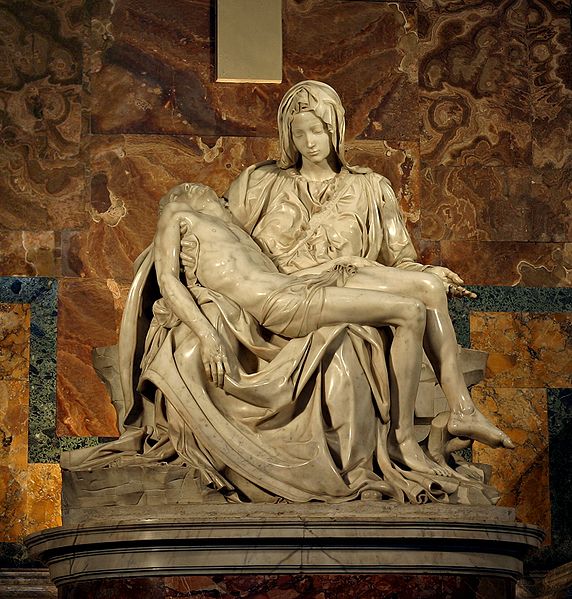
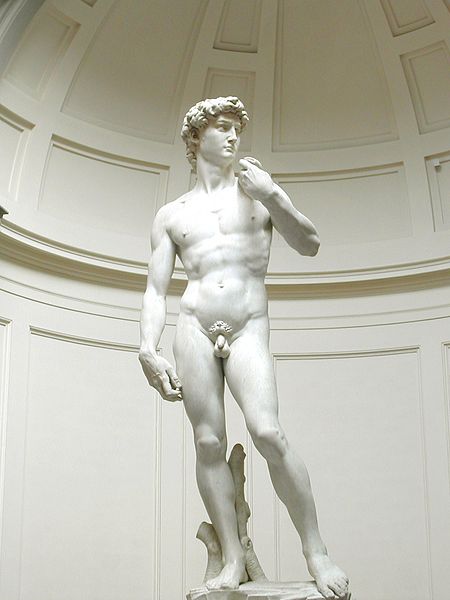
      What did you accomplish by your 24th birthday? Well, the pleasant little stone carving pictured above was the work of a young Italian from Caprese named Michelangelo, and it is worth reminding us all of this man’s brilliance and contribution to western civilization on the occasion of his birthday today. Michelangelo Buonarroti was born on March 6th, 1475, in the Tuscan nursery of one of the truly great explosions of man’s intellect and creativity, the Italian Renaissance. He was one of a line of spectacular talents that the beautiful rolling hills of the Tuscan countryside seemed to boundlessly produce, including Leonardo DaVinci, Ghirlandaio, Giotto, Duccio, Donatello, and Botticelli. Of this group of giants he was in particular, the Rock Star, a sculptor of immense talent and visions that could extract the most base human emotion and tension out of inert marble stone. His talents were recognized by his father early in life, and he managed to get young Michelangelo  into the De’Medici school for artists in Florence, where he had access to the Medici’s great collection of Roman age sculpture and technical training from the sculptor Bertoldo Giovanni, but it was obvious to all that the student would soon be the teacher. The magnificent PIETA pictured above was Michelangelo’s early twenties coming out party, and he followed that masterpiece with the equally spectacular DAVID. The intense sorrow of the Madonna for her dead son of the PIETA is transposed into the young male arrogance and aggression of the powerful DAVID, muscled, tensed, scanning the horizon for his opponent the giant Goliath, and convinced of the outcome of the titanic battle. These are not the emotionless immortals of Roman art. These are personal, entirely human subjects that are ageless not in their eternal youth, but in the universality of their human emotions and intellect.
     Michelangelo considered himself above all, a Rock Star, and never stopped in his words releasing the entrapped figures that were encased in stone, but he was not beyond showing his virtuosity in the artistic venue he thought least of, the art of painting. A sculptor of monuments needed a monumental scale for his painting expressions and found it in Pope Julius II’s commission to Michelangelo to the paint the ceiling of the Sistine Chapel. Asked to devise paintings of the 12 Apostles, Michelangelo lobbied and won the Pope’s permission to dramatically expand the scope to the story of Man’s Divine creation by God, the Downfall of Man, and the Promise of Salvation through the guidance of Christ. This huge fresco contained over 300 figures and nine episodes from the book of Genesis, culminating for the viewer in the spectacle of the CREATION OF ADAM , the critical spark of humanity, encompassing all its creativity, capability, and dark flaws, passed from the Creator to his creation with the recognition of free will passed between their eyes. The myths of the chapel ceiling suggest that Pope Julius in a perpetual battle with Michelangelo and his difficult personality, looked to the ceiling as a way of reining him in, by forcing him to express himself in the media he was least comfortable with, fresco, allowing for comparisons with his contemporary rival, Raphael. If the story is true, no one viewing the Sistine Chapel upon its completion had any doubt of the dominant figure in Renaissance artistic expression thereafter.
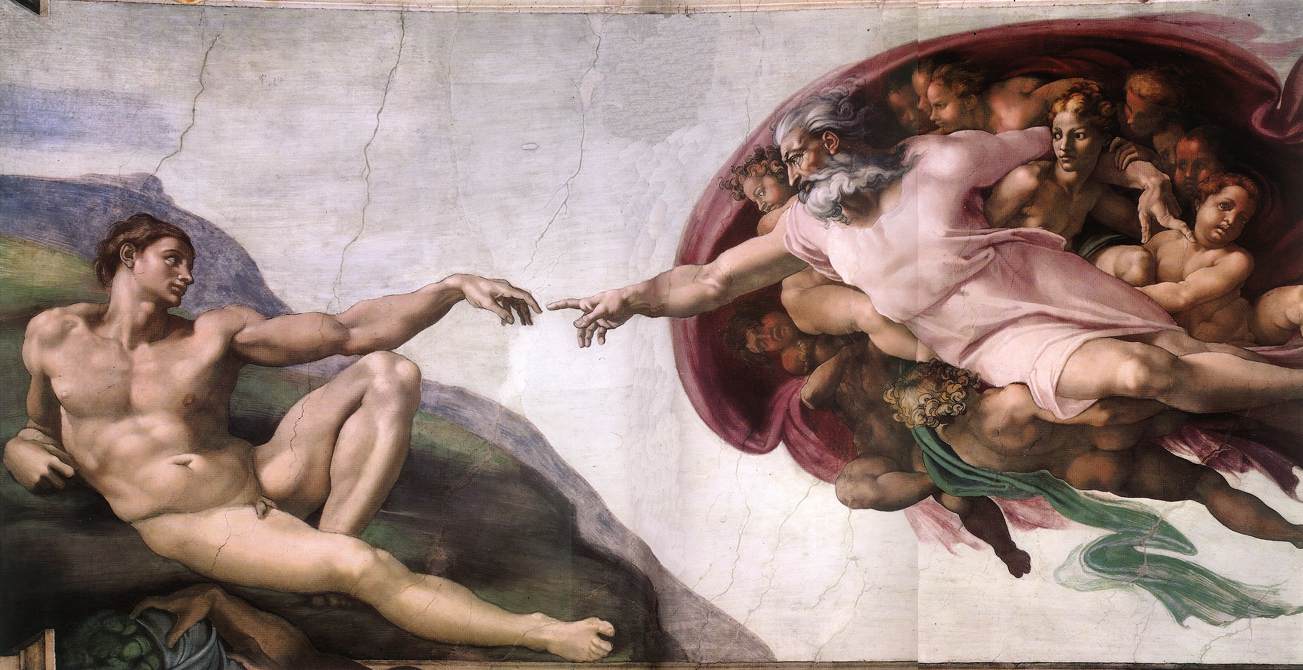
      At a time when human free will and expression were under the oppressive dominance of a universal church and dictatorial overlords like the Medicis, artist of Michelangelo’s stature led surprisingly unencumbered existences. He lived life like he wanted, stated what was on his mind, and refused to work for patrons he felt would not allow him artistic freedom. A dangerous tact of life for most to take, Michelangelo’s genius appears to have been the unseen protector for him, as patrons clambered and competed for his time for project after project.
      Michelangelo lived to the ripe old age of 88 when the average lifespan was in the forties, and remained prolific to his death. It is hard to view the Renaissance development without his pronounced imprint upon it. A man of his age, he was more a human for all ages, living the ideal of the human individual at a time when a individual life was unrecorded and unappreciated, and showed that the most valuable components of civilization were not its tyrant kings, but its individual talents and creativity. On the occasion of his 526th birthday, Ramparts of Civilization takes this moment to thank him for helping to make the world a better, more interesting place for the rest of us.
The Tip Of The Spear

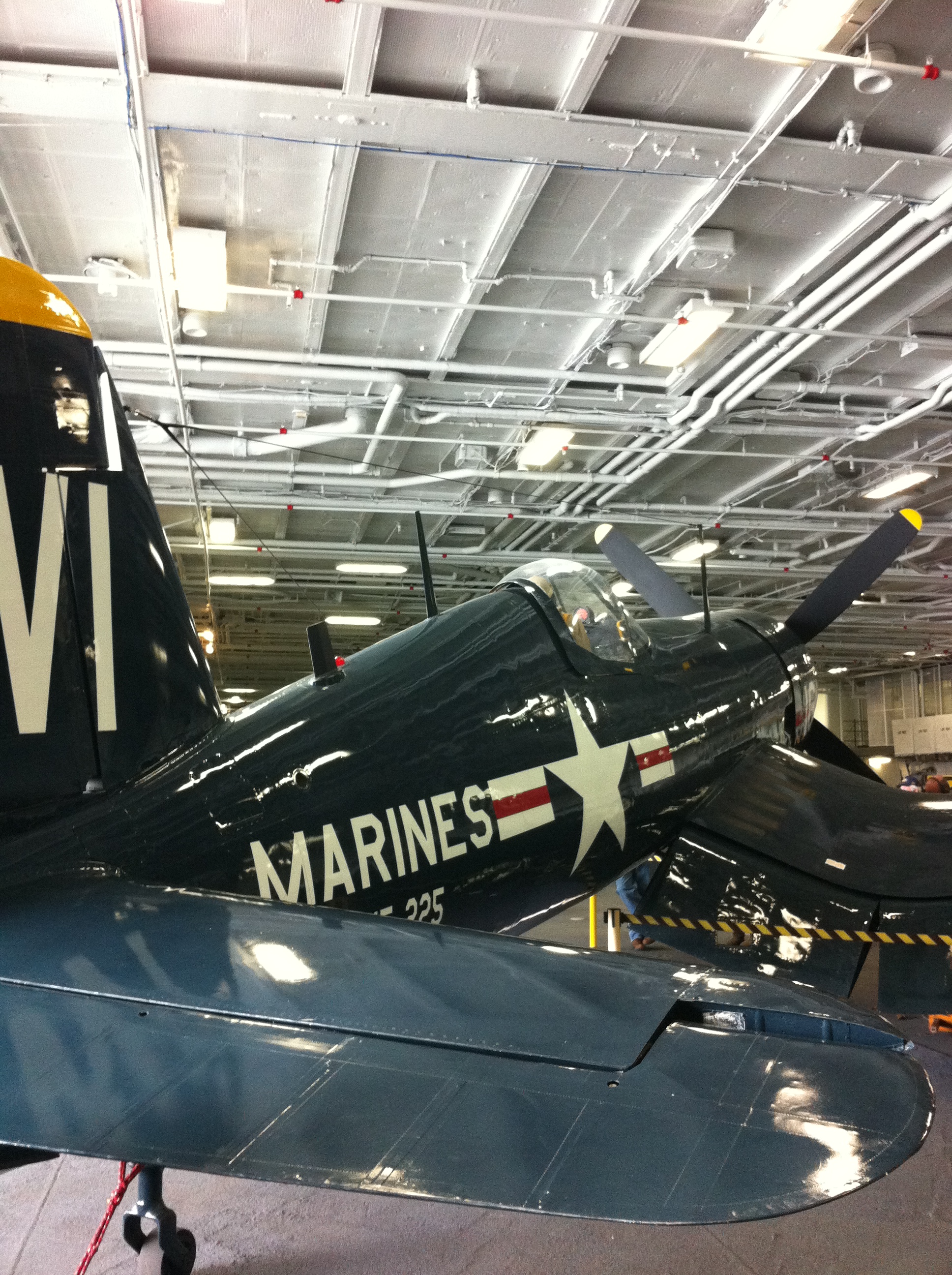
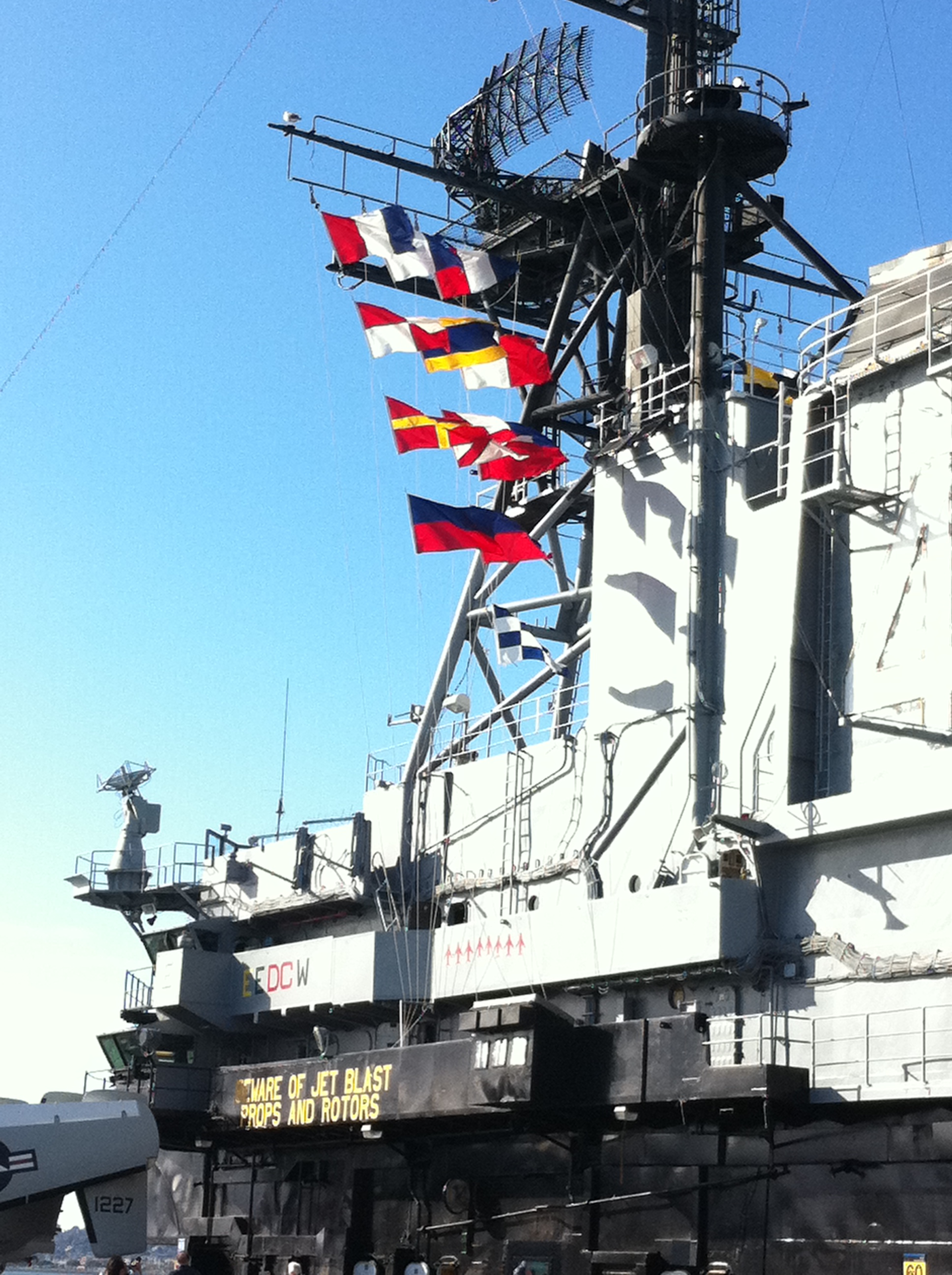
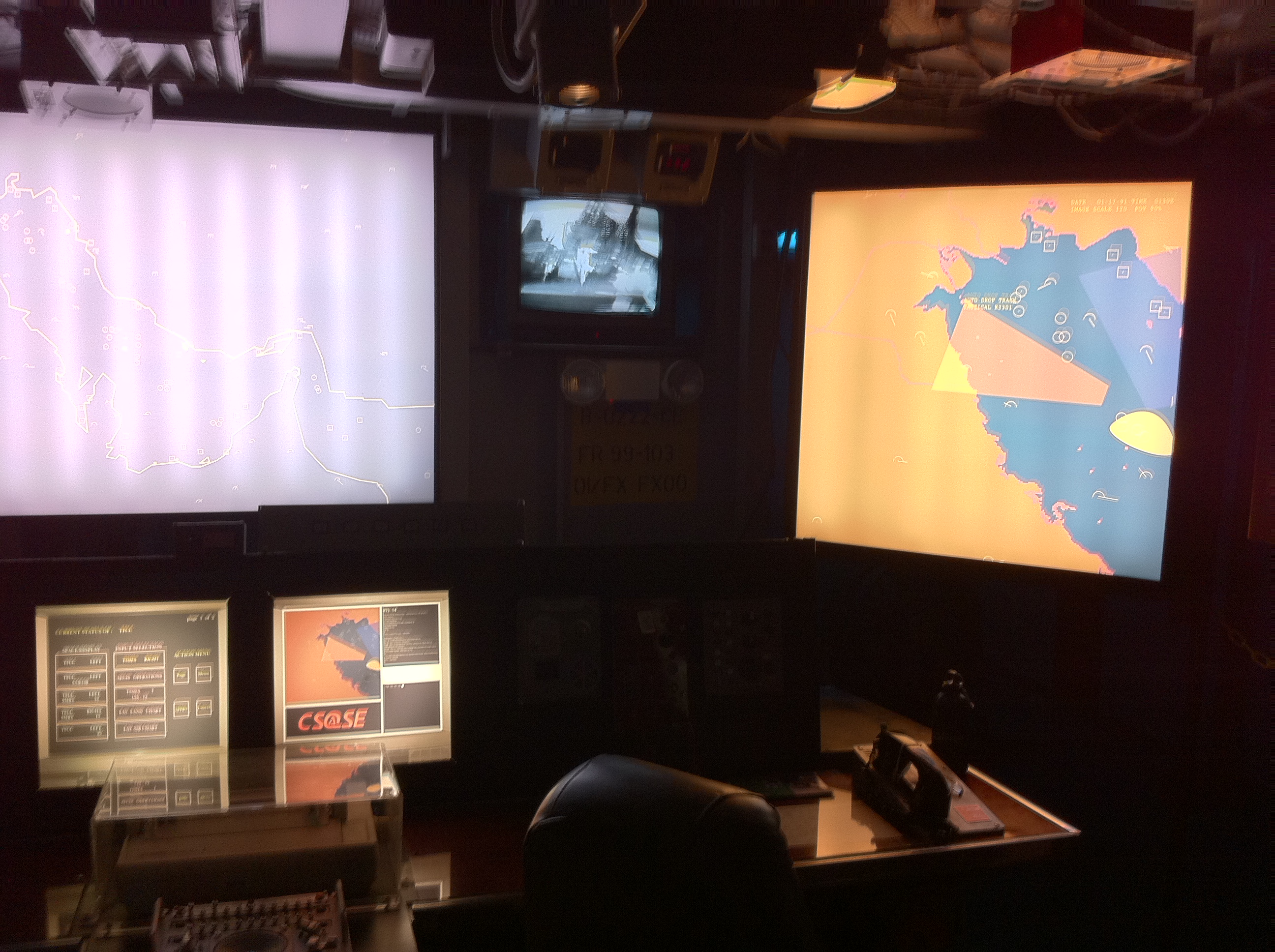
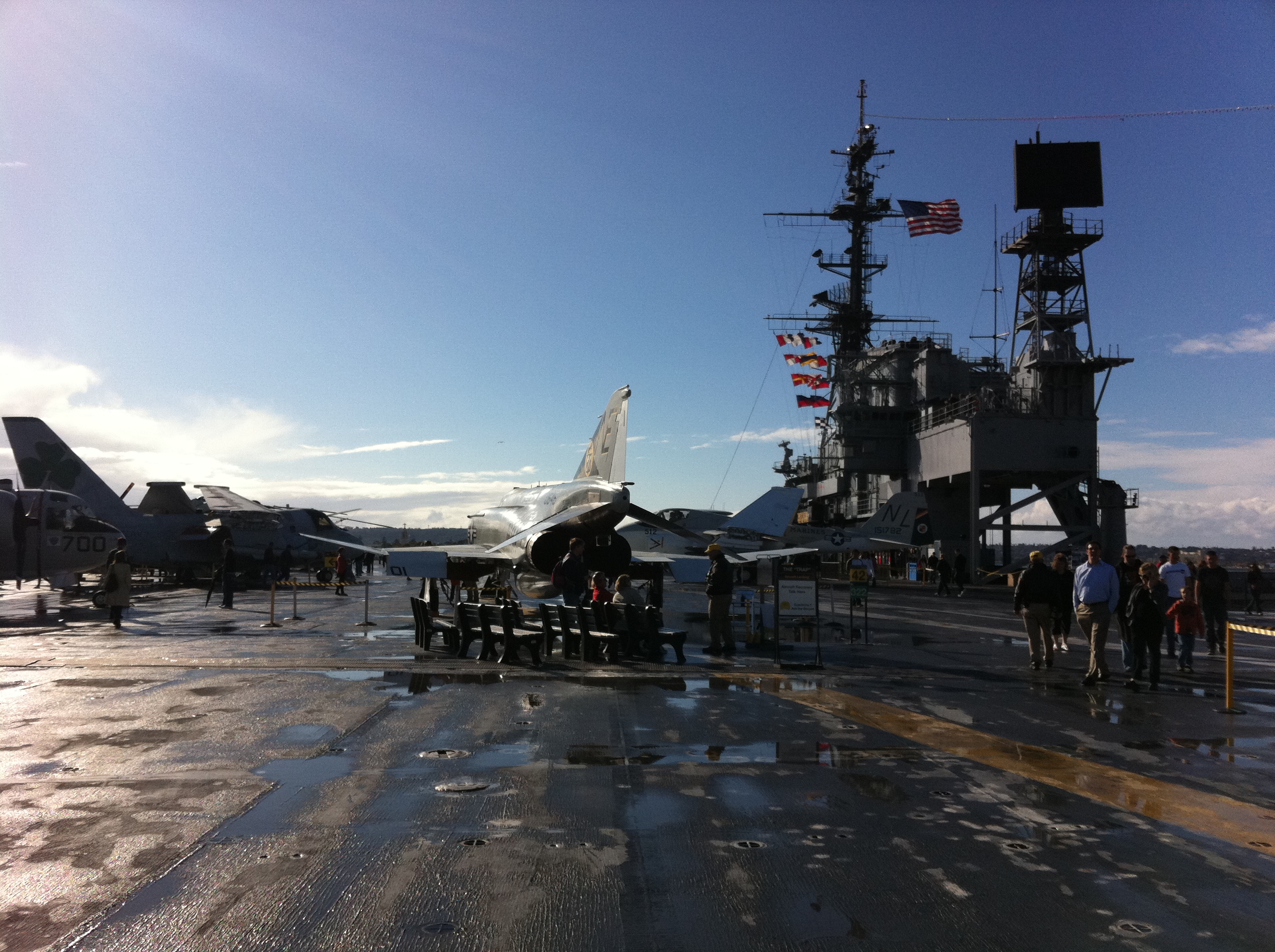
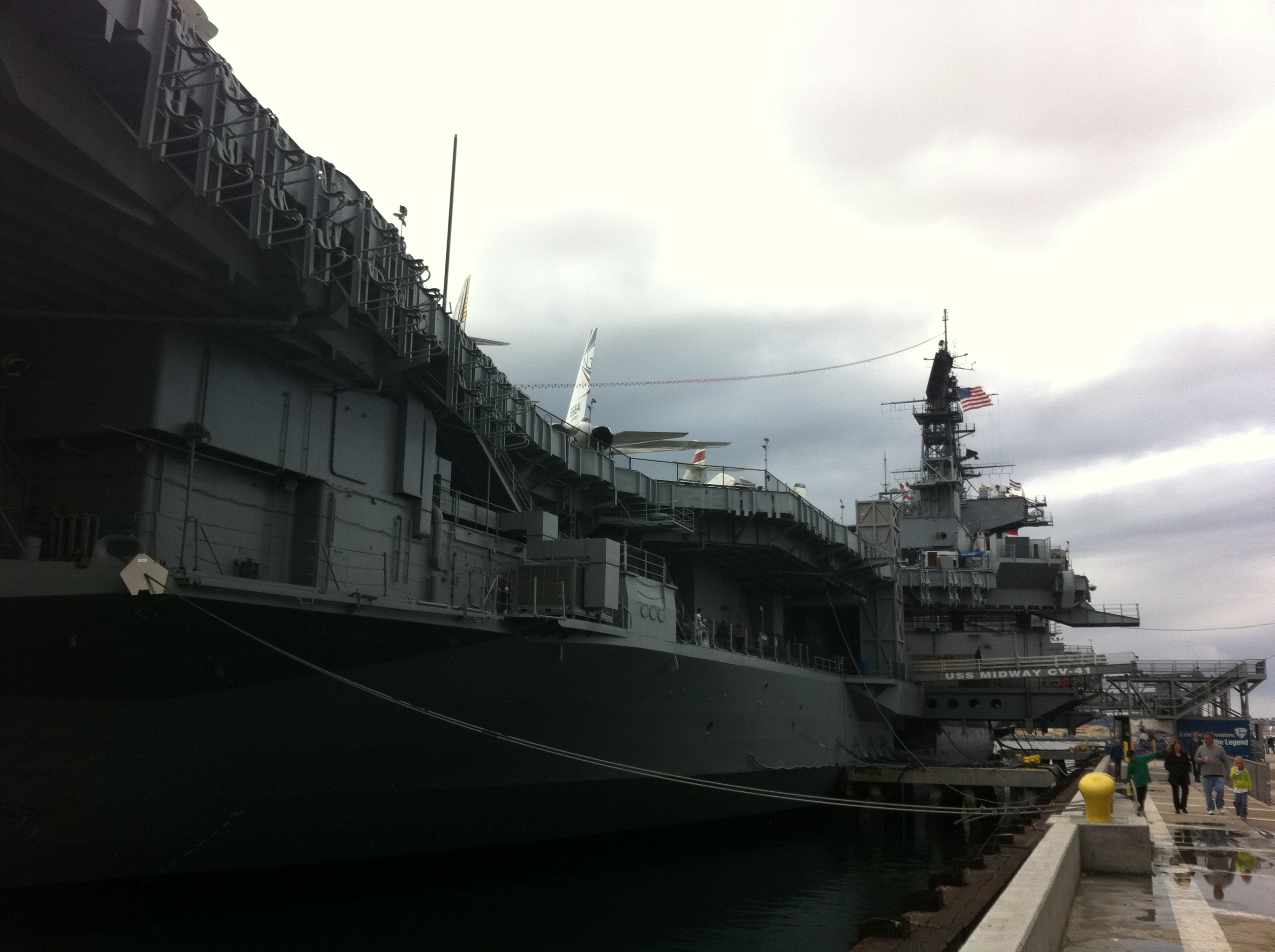
     I had occasion on a recent trip to place myself into history.  In San Diego, California, the USS Midway, an American aircraft carrier is docked as a permanent museum and provides a wonderful window into the  forward most arm of America’s military capacity in this dangerous world in which we live.  Aircraft carriers in World War II became the means of projecting power across the globe, proven first by Japan in her spectacular raid on Pearl Harbor, and magnified by the catastrophic vulnerability of the traditional king of the seas, the battleship,  with the Japanese airborne destruction of the HMS Prince of Wales and HMS Repulse off Singapore all in December, 1941.  By the end of the war, the United States had over 50 aircraft carriers roaming the seas and dominated all the sea lanes in a fashion not seen since the height of the British Imperial Navy of Lord Nelson’s time. 

     The USS Midway, commissioned at the end of the war, was the supreme example of the art of carrier building in her time.  She was larger, more maneuverable ship than her Essex style counterparts of the era, and with her like designed compatriots, the USS Franklin D Roosevelt and the USS Coral Sea, were the last craft designed for propeller craft take off and landing.  She was nearly 1000 feet long, capable of launching over 100 aircraft, sailing at 33 knots, and home to over 4000 sailors – a true floating city of power.  The Midway ended up serving for the next 40 years through both the Vietnam conflict and Desert Storm before being decommissioned in 1992.  Though the United States eventually went to a nuclear class carrier design even larger than the Midway, the ship proved versatile enough to head a carrier group in the Persian Gulf during Desert Storm launching hundreds of F-18 sorties over Kuwait and Iraq that contributed to the overwhelming victory.

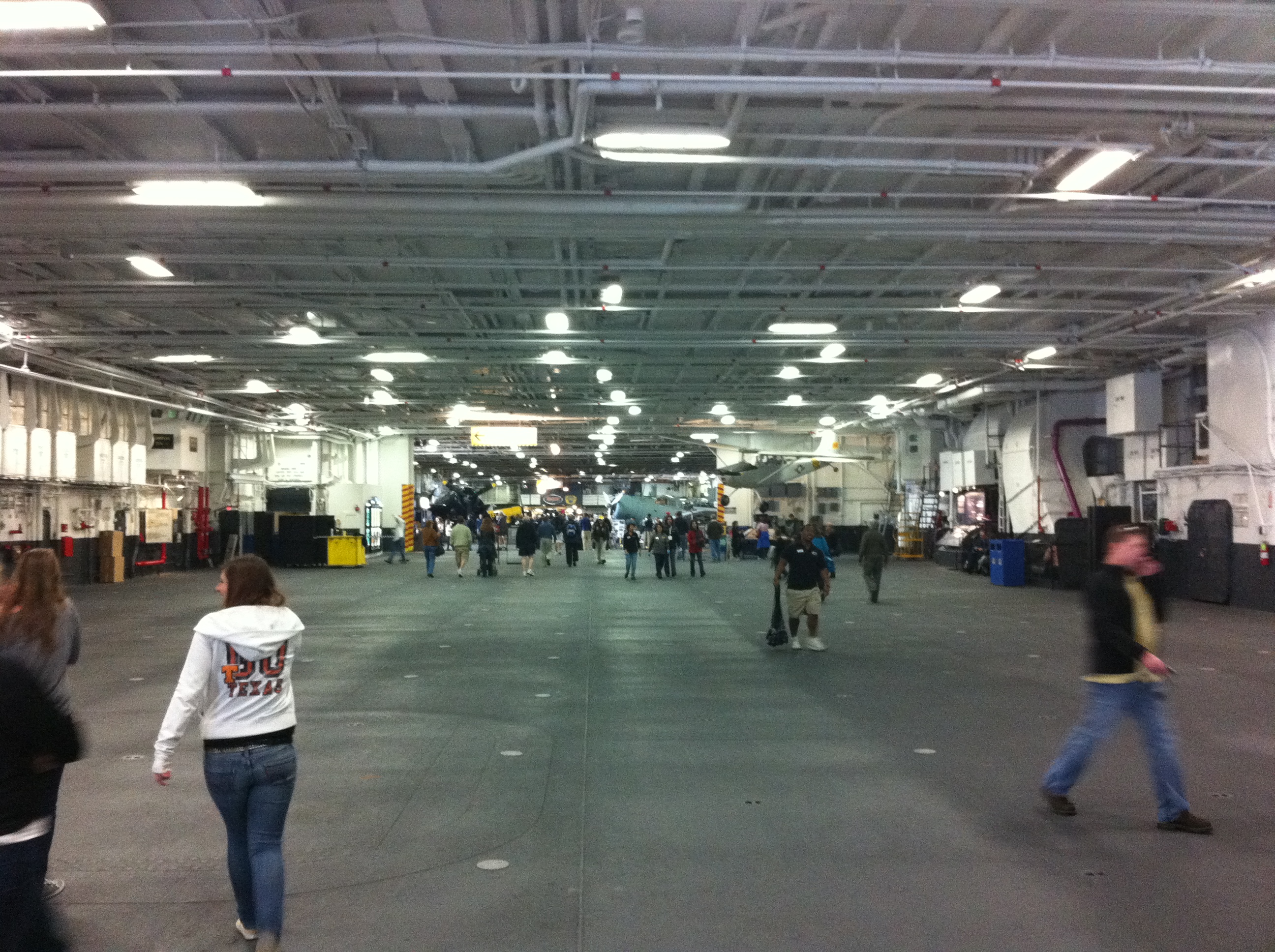
     The museun allows a very intimate look at almost all aspects of the ship.  Despite the enormous size of the ship, the multiple bulkheads and millions of yards of exposed wires and cable give the vistor a claustrophobic sense when traversing the inner decks.  This feeling is immediately relieved by entering the enormous hanger deck where the aircraft are stored and serviced.  The planes are transitioned by elevator to the even more spacious flight deck, where the dangerous ballet of launching craft was practiced by thousands of highly trained flight teams over the years.  The reality of taking a craft from 0 to 200 miles an hour over several hundred feet to launch and the converse, from 200 miles an hour to a standing stop over the same distance with scores of fully armed fully fueled planes and scores of scurrying flight personnel  is a awe inspiring and palpably dangerous concept.

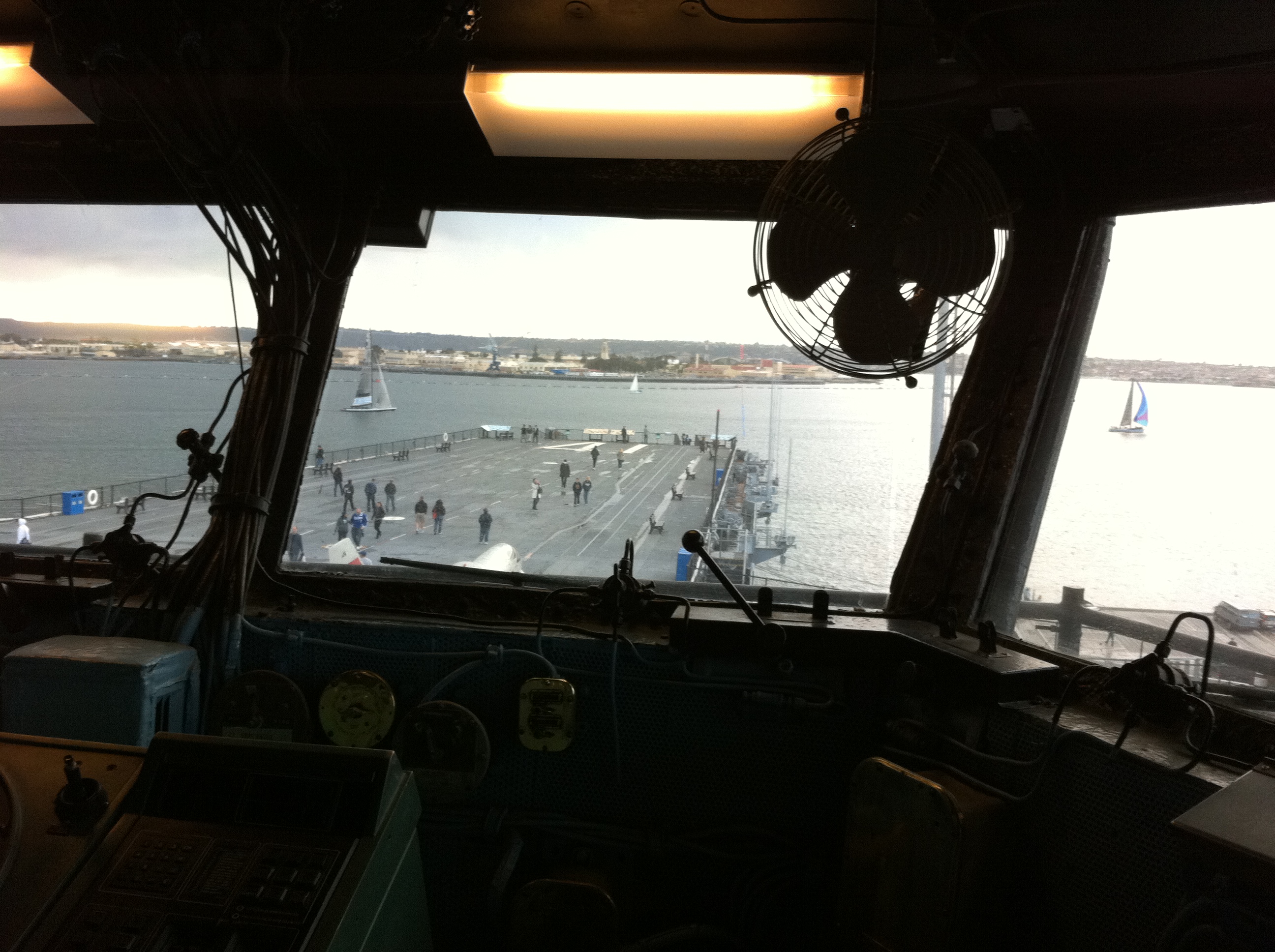
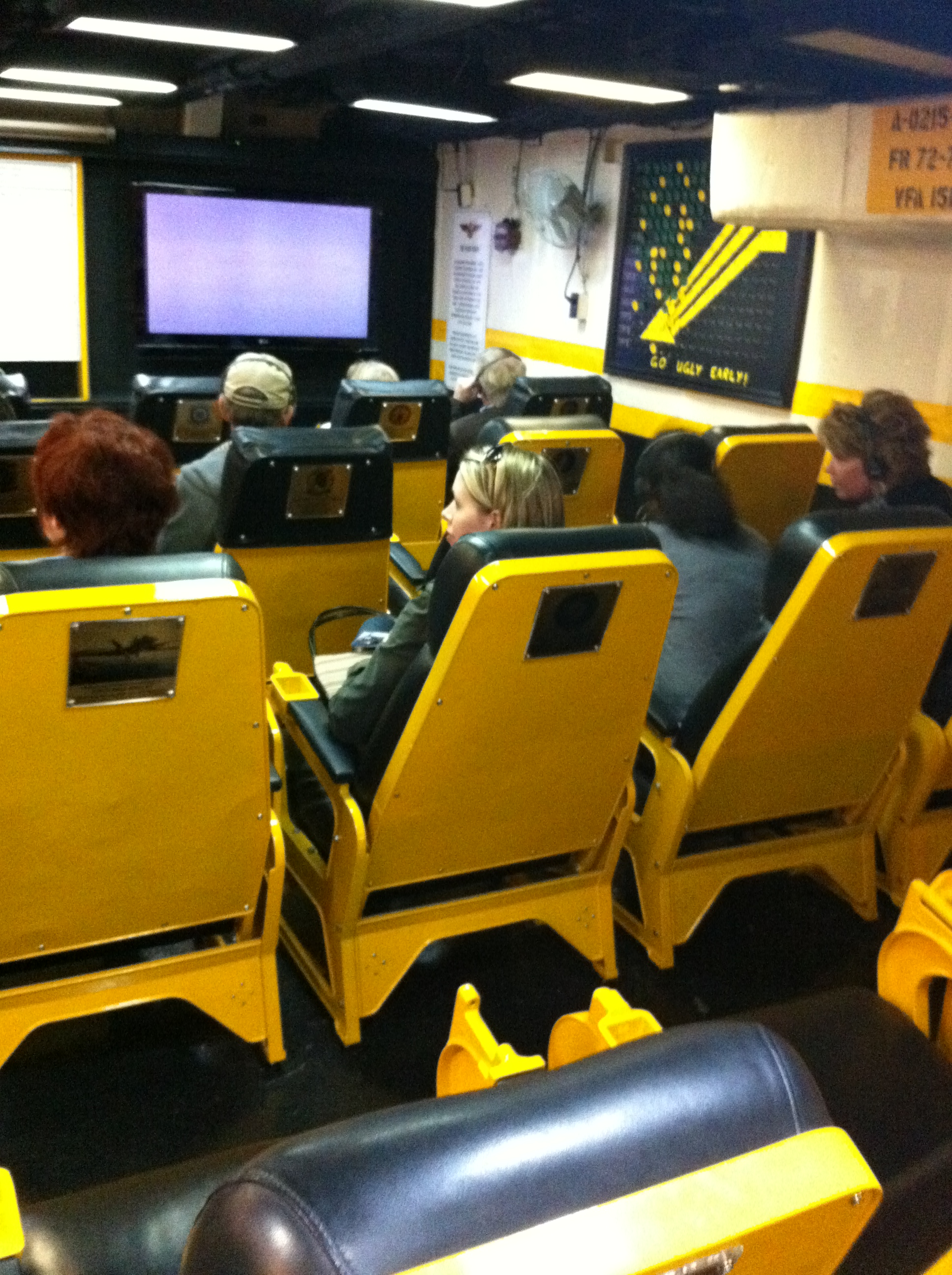
      From  the aircraft decks one travels to the intellectual center of the plane, the so called “Island”, where the communications,  mission planning, deck activity coordination, and the captain’s bridge inhabit.  The space is particularly confined to make room for the critical space of the flight deck activities, and is rested to the side of the carrier.  The Air Boss on the Midway was flight deck level, always a squadron leader who understood all the capacities  and limitations of the flight team, and had full control of the launch process.  The ship’s navigation, steering, and direction emanate from the bridge which stands several stories over the deck with full view of the deck and the sea beyond.  Just beyond the bridge is the communications and mission projection rooms, where, coordination of the complicated actions of this massive sea enterprise is coordinated with the multiple naval craft in the group through radar and radio communication, and nowadays, computer and GPS.

     The final image and all encompassing sense of the enormous sea power projected by a ship like this comes down to standing on the deck with the planes that are the multiple arrows of the carrier quiver.  What does it take in the process to steel one’s nerves to land a plane on a pitching deck at night in high seas is not for me comprehensible, but somehow this nation continues to find such people who time and time again volunteer and perform beyond all expectation this difficult task.  The practice and precision required is the highest expression of military training and the United States with eleven super-carrier groups manning all shipborne seas is the master performer of this art.

     We can argue amongst ourselves always as to whether the investment and sacrifice necessary to create this magnificent floating warrior ship is ultimately worth it, but if you get the chance to see it in person, I think you will realize that if it is to be done, this nation has achieved the ultimate in this particular expression of modern power.

Its Time For An Intervention

     In the parlance of counseling and therapy an intervention is a device by which an orchestrated effort is used to confront an individual of his or her addiction and impel them to seek professional help.  Used as a life saving device in hard core addiction, it can frequently be the last step between the addict and their impending self destruction.  The need for an intervention is now coming clear regarding the 14 democrat state senators from Wisconsin that have fled the state and taken up residence in Illinois to avoid participating in a vote to establish a budget fix for the state of Wisconsin.  Their self destructive behavior is evident from their blatant avoidance of the job they were elected to perform, representing their constituents in parliamentary debate and votes that could determine the future policies by which the state would abide.  But what is their addiction requiring intervention?

    The addiction is not drug or alcohol related, but every bit as insidiously destructive in the individual’s core beliefs and capacity for objective thought.  It is the addiction to monetary support and block votes provided by public sector unions to the individual politician that has made their current position entirely reliant upon these two pillars of addiction and a future in politics inconceivable without them.  It has led them to the impossible position of living outside their own state that they were elected to represent, unable to remain in Illinois and still be able to participate in the legislative process that would allow them to effect debate, and unable to return and receive the wrath of their virulent underwriters who would look at their return as the ultimate sell out.

     A more difficult conundrum is hard to imagine.  How did this proud party become such an addled and addicted servant to the will of the public sector union?  Since its inception as the ‘republican” party of Thomas Jefferson and later, formalized as the party of the common man through Andrew Jackson, the Democrat Party has idealistically stood for those striving to achieve, not those with the levers of power.  Like all parties, it has had its hypocrisies and hypocrites to deal with, but prior to the mid 1960’s was easily recognized by the idealized position of standing by the individual and their rights and responsibilities, looking to improve access to good education, equal opportunity under the law, and a fair shake and safety in the work place.  The growth of government positioned to legislate and regulate those ideals steadily led a permanence in the need for a “victim” class to require the bureaucracies securing those protections and a “regulator” class to assure the regulations saw no sunset.   It was only a matter of time before those in permanent “public service” saw the need to reward themselves for their “selfless” behavior in serving the public, and assure a elective process that would institutionalize those rewards.  An awkward partnership between the politicians who determined the budgetary processes that secured the permanence of those rewards and the representatives of the “public service” class to secure elected officials who fully “understood” their selfless behavior led to the collapse of the integrity of the Democrat party we see today.  The constituents that drive the current democrat elected official are not the citizens who need education, but the teachers that educate them, not the people who need protection under the law but those that would protect them, not the down trodden who need guidance to elevate themselves, but those maintain their downtrodden status through their perpetual victimization.  The modern American workforce, once heavily populated with union representation in the work place is now less than 7% unionized, while the public sector, immune to the priority of profits and production, over 36% unionized.  The public sector has become a last bastion for union strategies, tying ever more expensive benefits on the passive taxpayer, to whom they see no need to answer to.  They now answer only to their own calling, “to serve”, to determine the inherent value for such service, and secure those in office that will never seek to reflect upon their relative value to similar contributors in the private work place.

     And so, the need for an intervention.  Interventions are often initially confrontational, and perhaps not voluntary, but the self destructive individual helpless to effect their own life change, often breathes a sigh of relief when they realize the door to one horror is shut, and the chance for a new beginning has opened.  I would suggest to the senators who have flown, imagine a world where you could fight for the rights of the educational process on the merits of whether a funded program helped or hurt that education, without concerning oneself with the guarantee that the 80% of funding going to educational processes regardless of their success or value went to permanent staffing costs. Imagine fighting for a child to have choice in educational opportunities independent of the circumstances of their residence or upbringing. Imagine a world where the teacher that inspired the student could be rewarded and the one that showed no teaching capacity avoided, and you as a senator helped bring it about.  What a liberating rush that probably would be to your ideals, when you could use your own free thought and creativity to devise legislative concepts rather than have to pass every action you take past the masters of your indebtedness.

     An intervention is what these senators will need, and when they are free of their addiction, it will be like spring has returned, with democracy in the arena of ideas, the fruitful blossom of a great harvest to be.

                                                                                                           www.hyscience.com